
Background of the Production Halt
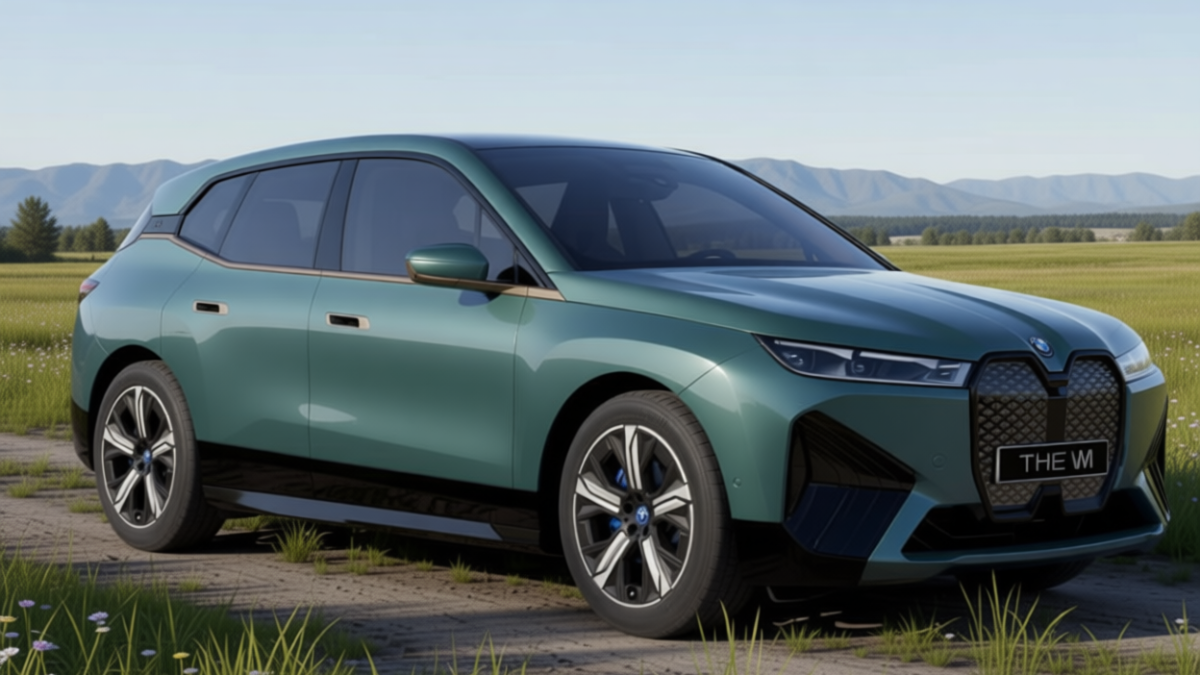
Facing Challenges has become a critical issue for BMW as the automaker faces a temporary production pause for its iX1 electric SUV in Europe. This decision, reported by Carscoop on Saturday (23/5), stems from a shortage of standard-sized wheels—specifically 17 and 18-inch wheels—that are essential for the iX1 model. According to a production manager’s letter to local dealers, BMW is currently in communication with its suppliers to address the shortage. The manager acknowledged that buyers of the iX1 might experience delays, potentially extending delivery times until the fall. "There are still sufficient wheels for production in May, but June’s capacity will not meet demand," the manager noted.
Implications of the Wheel Shortage
While the wheel shortage may seem minor, it has triggered a chain reaction in BMW’s production planning. The 17 and 18-inch wheels are not just aesthetic choices—they are integral to the iX1’s design, offering a balance between cost-effectiveness, comfort, and energy efficiency. For electric vehicles, wheel size directly impacts range, as smaller wheels reduce rotational resistance and improve battery efficiency. However, the shortage has forced BMW to consider alternatives, such as using larger 19-inch wheels, which would require customers to upgrade to more expensive trim packages. The proposed solution, though, comes with trade-offs, as the smaller wheels are being replaced with larger ones that slightly compromise the vehicle’s range.
Market Response and Consumer Impact
Facing Challenges has also highlighted the ripple effects on BMW’s market strategy. Dealers report that some customers are experiencing delays of up to three months in receiving their iX1 units, forcing them to seek temporary transportation solutions. This disruption has raised concerns among consumers who had planned to purchase the vehicle during its initial launch phase. One dealer, speaking to the German media Automobilwoche, stated that "iX1 has become our flagship model," emphasizing its significance in the brand’s lineup. The delay, however, may lead to a shift in customer preferences, with some opting for other models or competitors that are less affected by the supply chain issue.
Additionally, the wheel shortage has sparked discussions about BMW’s supply chain resilience. While the company’s decision to temporarily halt production is a proactive measure, it underscores the vulnerability of even established manufacturers to global shortages. The situation is further complicated by the growing demand for electric vehicles, which has pushed BMW to prioritize production of models like the iX1. As a result, the automaker is now navigating a delicate balance between maintaining its market presence and adapting to unforeseen logistical hurdles. This Facing Challenges scenario is not unique to BMW, as many automakers are grappling with similar issues due to the increased reliance on specialized components in modern vehicle manufacturing.
Broader Industry Trends
The iX1 wheel shortage reflects a broader trend in the automotive industry, where supply chain disruptions are becoming more frequent. In recent years, the shift toward electric and hybrid vehicles has created new dependencies on specific parts, such as lightweight wheels designed for optimal energy efficiency. BMW’s temporary production halt serves as a case study for how manufacturers must innovate and adjust their operations to mitigate such risks. For instance, the company has explored alternative materials and manufacturing techniques to reduce reliance on traditional wheel sizes. These efforts are part of a larger strategy to ensure Facing Challenges are addressed without compromising product quality or customer satisfaction.
Moreover, the situation highlights the importance of inventory management in the automotive sector. With limited availability of 17 and 18-inch wheels, BMW is forced to prioritize models that align with its current supply capabilities. This has led to a more flexible approach in production planning, where companies are increasingly using data-driven models to predict demand and allocate resources accordingly. The Facing Challenges faced by BMW also underscores the need for diversification in supplier networks, as over-reliance on a single component can lead to significant operational setbacks. By addressing these issues proactively, BMW aims to maintain its competitive edge in the evolving electric vehicle market.
Long-Term Strategic Adjustments
As the automotive industry continues to evolve, Facing Challenges like the iX1 wheel shortage are likely to become more common. BMW’s response to this issue—switching to larger wheels and adjusting production timelines—demonstrates its commitment to overcoming obstacles while maintaining customer trust. The company is also working closely with suppliers to expedite the delivery of standard wheels, ensuring that the iX1 can resume production as soon as possible. This Facing Challenges scenario has prompted a reevaluation of BMW’s supply chain strategy, with plans to enhance inventory management and diversify sourcing options in the future. Such strategic adjustments are crucial for sustaining growth in the face of global supply chain uncertainties.