
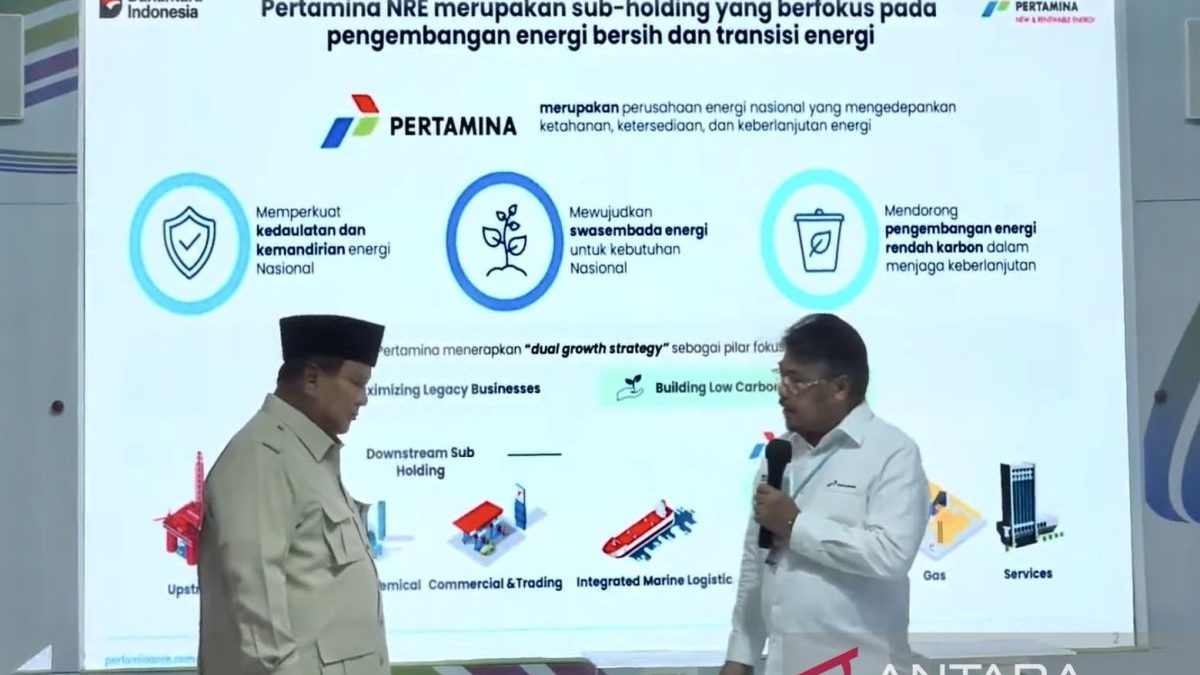
What Happened During Prabowo’s Visit to Bioethanol Tebu Processing in Malang
What Happened During the visit by President Prabowo Subianto to a bioethanol tebu processing plant in Malang, East Java, has sparked significant discussion regarding the nation’s efforts to enhance agricultural value chains and energy sustainability. The event, which took place on a recent Friday, highlighted the government’s commitment to transforming raw agricultural products into high-value commodities. Prabowo’s inspection of the facility underscored the importance of integrating biofuel production with traditional sugar processing, aiming to reduce reliance on fossil fuels while boosting rural economies.
Strategic Collaboration Between TNI and Agricultural Sectors
What Happened During the inspection revealed a strategic collaboration between the Indonesian National Armed Forces (TNI) and the agricultural sector, particularly in the utilization of tebu (sugarcane) as a renewable resource. Menteri Sekretaris Negara Prasetyo Hadi emphasized that the tebu processing project at Lanud Abdulrachman Saleh exemplifies a sustainable ecosystem. This initiative not only leverages military-owned land but also aligns with broader national goals of energy independence and economic resilience. The TNI’s role in managing 236,048 hectares of tebu land, projected to yield 18.386 million tons of sugar or equivalent to 1.36 million tons of bioethanol, demonstrates their multifaceted contributions to the country’s development.
“What Happened During this visit shows how tebu can transition from a basic agricultural product to a critical component of Indonesia’s energy mix,” said Prasetyo. “By incorporating bioethanol and organic fertilizer production, we are addressing both environmental and economic challenges.”
What Happened During the inspection also included a review of joint efforts between the TNI’s Army and Navy branches. The Army’s oversight of 6.26 million hectares of rice land, producing 19.2 million tons of rice, represents 55.24% of the national target for 2026. Meanwhile, the Navy’s management of 2,432 hectares of soybean land, with a potential yield of 3,676 tons, further illustrates the synergy between military and agricultural initiatives. These partnerships are designed to optimize land use and ensure food security, with the President highlighting the importance of such collaborations in achieving self-sufficiency.
Implications for National Energy and Food Security
What Happened During the visit has broader implications for Indonesia’s energy and food security strategies. By transforming tebu into bioethanol, the country aims to diversify its energy sources and mitigate the environmental impact of fossil fuels. This initiative aligns with the government’s push for renewable energy, which is expected to reduce greenhouse gas emissions and support the transition to a low-carbon economy. Additionally, the integration of bioethanol production into the agricultural sector could create new job opportunities, particularly in rural areas where tebu cultivation is prevalent.
What Happened During the inspection also served as a platform to showcase the potential of tebu-based industries. The President’s presence alongside key ministers, including Menteri Pertanian Andi Amran Sulaiman and Menteri Koordinator Pangan Zulkifli Hasan, emphasized the cross-ministerial coordination required for such projects. The involvement of Panglima TNI Jenderal Agus Subiyanto further reinforced the TNI’s role as a strategic partner in national development. These efforts are part of a larger plan to streamline the value chain of tebu, ensuring that it contributes to both energy production and food supply.
What Happened During the visit to Malang has generated enthusiasm among stakeholders, including farmers, industry players, and environmental advocates. The facility’s ability to produce bioethanol while utilizing tebu for sugar and organic fertilizer highlights the versatility of this crop. This approach not only reduces waste but also maximizes economic returns for farmers, who can now benefit from multiple product streams. The President’s comments during the inspection suggested that such integrated models are essential for long-term sustainability and national competitiveness.
What Happened During the event also underscored the importance of public-private partnerships in scaling up bioethanol production. The collaboration between the government, BUMN, and private enterprises is seen as a key factor in overcoming logistical and financial barriers. By pooling resources and expertise, these stakeholders can accelerate the development of biofuel infrastructure, which is critical for meeting the country’s growing energy demands. The President’s emphasis on this partnership reflects a broader vision of inclusive growth, where agricultural communities are actively involved in national economic planning.