

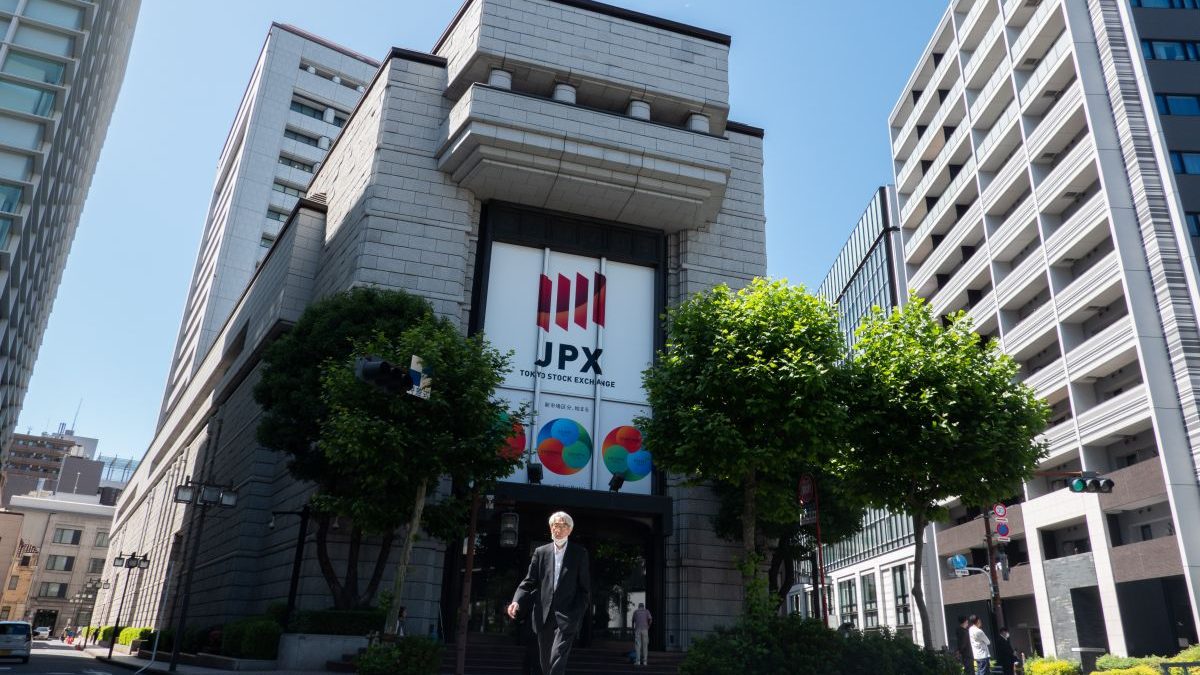
What Happened During: Nikkei Index Breaks 65,000 for First Time
What Happened During – On Monday, May 25, the Nikkei 225 index closed above 65,000 for the first time since its last record in March. This milestone marked a significant shift in the Japanese stock market, driven by optimism surrounding the US-Iran peace talks and heightened expectations for resolving Middle East tensions. The Nikkei 225 surged by 1,819.12 points, or 2.87%, compared to its closing level of 65,158.19 on Friday, May 22. Meanwhile, the broader Topix index also recorded its highest close ever at 3,942.57, rising 50.11 points, or 1.29%, from the previous session. This rally reflects a broader global market sentiment that has been favoring equities in recent weeks.
Key Drivers Behind the Market Rally
The Nikkei’s ascent was fueled by a combination of geopolitical and economic factors. Analysts noted that progress in US-Iran negotiations, particularly the agreement to extend the ceasefire in the Gulf for 60 days, boosted investor confidence. This deal eased concerns over potential disruptions in oil supply through the Strait of Hormuz, a critical route for global energy trade. As a result, oil futures prices dipped, further improving market sentiment. Additionally, the upward trend in tech stocks in the US, which had surged during the previous week, contributed to the Nikkei’s rise, as investors anticipated similar momentum in Japanese technology companies.
Japanese equities also benefited from improved corporate earnings and stronger-than-expected economic data. The country’s manufacturing sector showed resilience, with production figures surpassing expectations in April. This positive outlook, coupled with supportive monetary policy from the Bank of Japan, encouraged investors to allocate capital to domestic stocks. However, the rally was not without challenges. Some traders cautioned that the market’s optimism could be tempered by ongoing inflation pressures and global trade uncertainties, particularly in the wake of the Russia-Ukraine conflict.
Impact on Key Sectors and Market Indicators
Within the Nikkei 225, several sectors played a pivotal role in the surge. Non-ferrous metals, electrical equipment, and air transport stocks led the gains, reflecting renewed demand in industrial and export markets. The electrical equipment sector, for instance, saw increased activity as global energy demand stabilized, while air transport companies benefited from improved travel forecasts following the easing of travel restrictions in several Asian countries. The Topix index, which includes a wider range of companies, also demonstrated strength, with its peak intraday level reaching 3,953.89, surpassing its last record set three months prior.
Analysts highlighted that the Nikkei’s performance was a testament to the market’s adaptability and resilience. Despite the lingering effects of the pandemic and supply chain disruptions, Japanese investors remained cautiously optimistic about long-term economic recovery. The closure above 65,000 signaled a possible shift in market dynamics, with some experts suggesting that the index could continue its upward trajectory if global geopolitical tensions ease further. However, the sustainability of this rally depends on whether the US-Iran agreement translates into lasting peace, as well as the pace of economic recovery in key export markets like China and South Korea.
What Happened During the week of May 22-25 also underscored the interconnectedness of global financial markets. The Nikkei’s rise was not isolated; it aligned with a broader trend of equity gains across Asia and Europe, driven by similar hopes for conflict resolution and economic growth. This collective optimism allowed Japanese stocks to outperform regional peers, with the Topix index showing a particularly strong performance. Investors who had previously been hesitant due to geopolitical risks now appear to be re-entering the market, signaling a potential turning point for Japanese equities in the coming months.
Broader Implications for the Japanese Economy
The Nikkei’s first close above 65,000 since March has sparked discussions about the implications for Japan’s economy. A stronger stock market typically translates into higher corporate valuations and increased investment in the country’s industries, which could boost economic growth in the long term. However, the immediate impact on the broader economy may be limited, as the Nikkei’s performance is influenced by both domestic and international factors. What Happened During the week also raised questions about the Bank of Japan’s policy stance, with some analysts suggesting that the central bank may need to adjust its interest rate strategy to prevent overheating in the market.
Despite the positive momentum, challenges remain. Inflation in Japan, though lower than in other developed economies, is still a concern for policymakers. The Bank of Japan’s commitment to maintaining accommodative monetary conditions could influence the Nikkei’s future direction. Additionally, the success of the US-Iran deal in reducing tensions will be crucial in determining whether the rally is a short-term correction or a sustained trend. What Happened During the week of May 22-25 has positioned the Nikkei as a key barometer for global market sentiment, making it an important indicator for investors and economists alike.