
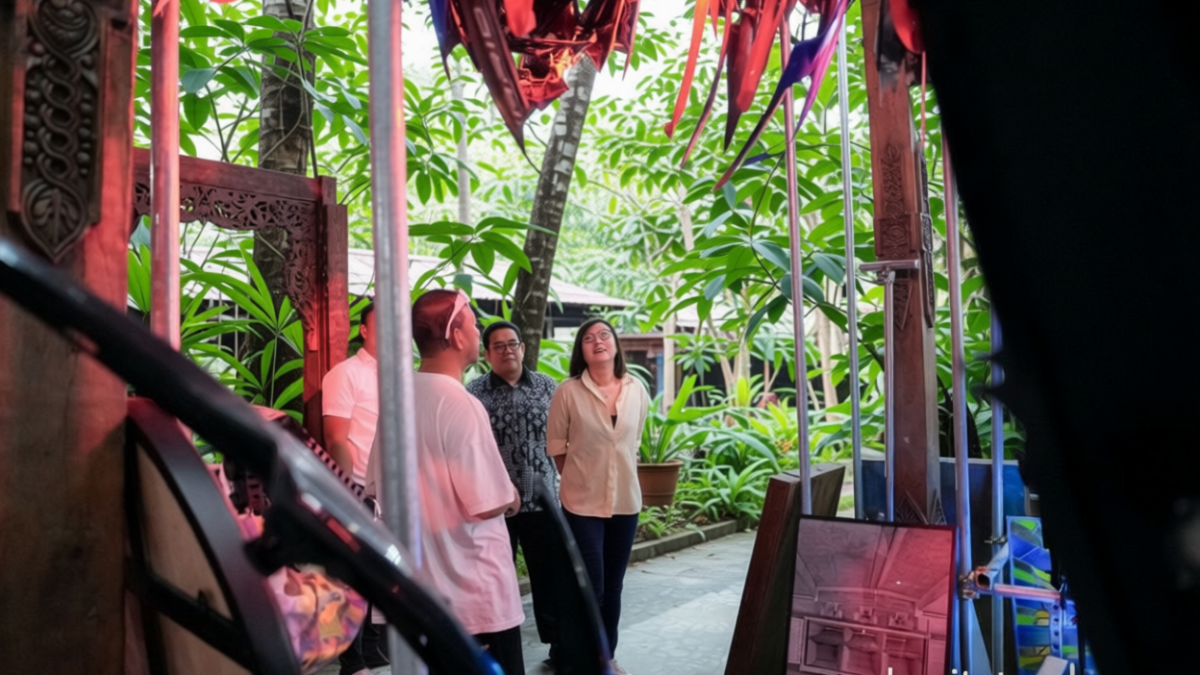
What Happened During: Wamenekraf Dorong Pengembangan Upcycled Fashion Perkuat Ekosistem Ekraf
What Happened During the recent initiatives by Wamenekraf has highlighted the growing importance of upcycled fashion in strengthening the economic creative ecosystem (ekosistem ekraf). On Monday, the Minister of Creative Economy, Irene Umar, emphasized the need for sustainable practices in the fashion industry, particularly through the revival of recycled materials and innovative design concepts. This event underscores a pivotal moment in Indonesia’s cultural and economic transformation, as the government seeks to align creative industries with global trends while preserving local heritage. The focus on upcycled fashion not only addresses environmental concerns but also showcases how creativity can drive economic resilience.
Moments of Transformation in Fashion
What Happened During the collaboration between Wamenekraf and local creative initiatives has demonstrated the potential of upcycled fashion to redefine traditional manufacturing. Future Loundry, an innovative brand that blends post-apocalyptic aesthetics with sustainability, was recently acknowledged for its role in this movement. According to Irene, such projects exemplify how creativity can transition from a grassroots level to a competitive international market. The brand’s use of discarded fabrics and creative reinterpretation of old materials has sparked interest among young consumers who prioritize eco-friendly choices. This trend is not just about fashion but about fostering a new generation of entrepreneurs and designers who are conscious of their environmental footprint.
What Happened During the development of Future Loundry’s concept has revealed a deeper integration of local culture with global design trends. Ican Harem, the creative mind behind the brand, merges tribal elements, sporty styles, and anime-inspired motifs to create a unique identity that resonates with both domestic and international audiences. This fusion of traditional and contemporary aesthetics is a key factor in the success of upcycled fashion, as it allows for the preservation of cultural heritage while meeting modern consumer demands. Wamenekraf’s support for such ventures highlights the ministry’s commitment to nurturing a diverse and dynamic creative sector that thrives on innovation.
Ekosistem Ekraf dan Dampak Global
What Happened During the establishment of the ekosistem ekraf has shown that sustainability is no longer a niche topic but a central theme in Indonesia’s economic strategy. By promoting upcycled fashion, the ministry aims to create a more resilient and resource-efficient industry that aligns with international standards. The emphasis on intellectual property (IP) and creative economy frameworks ensures that local designers can protect their work and compete on a global scale. This approach also encourages partnerships between businesses, artists, and communities, fostering a collaborative environment where creativity is both a driver and a solution to economic and environmental challenges.
What Happened During the recognition of Future Loundry’s efforts has further solidified the importance of upcycled fashion in shaping the future of Indonesia’s creative industries. The brand’s ability to transform discarded materials into high-quality, stylish products has attracted attention from fashion enthusiasts and investors alike. This success story is a testament to the power of creativity in addressing pressing issues like waste management and climate change. Wamenekraf’s endorsement of such initiatives sends a clear message that sustainability and innovation are integral to the growth of the economic creative sector. As more brands adopt similar strategies, the potential for a robust and sustainable fashion industry becomes increasingly tangible.
Langkah Strategis untuk Dukung Inovasi
What Happened During the recent meeting with stakeholders in Bali has revealed a strategic shift towards supporting upcycled fashion as a cornerstone of Indonesia’s creative economy. The ministry’s initiatives include workshops, funding programs, and policy reforms that encourage the use of recycled materials in production. These steps are designed to create a more inclusive and competitive market for local designers, while also reducing the environmental impact of fast fashion. By positioning upcycled fashion as a key driver of economic growth, Wamenekraf aims to empower small-scale creators and establish a national identity rooted in sustainability and cultural pride.
What Happened During the implementation of these strategies has already begun to show promising results. The increased visibility of upcycled fashion in international markets has opened new opportunities for Indonesian designers to showcase their work on a global stage. Moreover, the collaboration between Wamenekraf and creative entities like Future Loundry demonstrates a shift from traditional fashion models to ones that prioritize environmental and social responsibility. This transformation is not only beneficial for the planet but also for the economy, as it reduces dependency on raw materials and fosters a circular economy. The government’s continued support is expected to accelerate the adoption of upcycled fashion across various regions, ensuring its long-term success within the broader economic creative ecosystem.
What Happened During the evolution of upcycled fashion in Indonesia highlights the nation’s proactive stance in addressing global challenges through local innovation. The ministry’s endorsement of brands like Future Loundry serves as a catalyst for change, encouraging other creators to explore sustainable practices. This movement is gaining momentum as more consumers become aware of the environmental benefits of recycling clothing and accessories. By integrating upcycled fashion into the mainstream, Wamenekraf is not only strengthening the ekosistem ekraf but also positioning Indonesia as a leader in the global shift towards sustainable design. The future of the creative economy looks promising, with upcycled fashion playing a central role in its development.