
Facing Challenges: DPR Members Highlight National Tourism Management Coordination
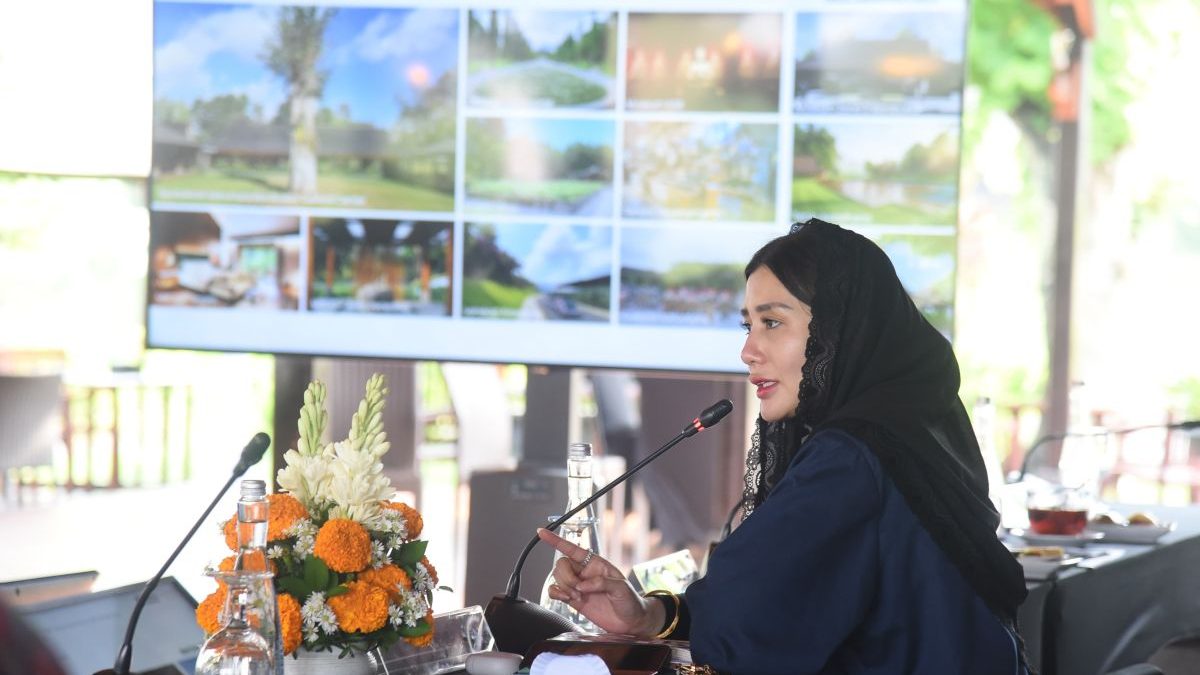
Facing Challenges has become a central theme in the recent discussions among DPR members regarding the management of national tourism. In an effort to address the growing complexities in the sector, Anggota Komisi VII DPR RI Novita Hardini emphasized the need for stronger coordination between different stakeholders to ensure sustainable development and effective governance. “The challenges we face today are not isolated to one region or department—they require a unified approach from the national level down to local implementation,” she stated during a recent session. This sentiment reflects the broader concerns of the DPR, which have been raising alarms about the fragmented efforts in managing Indonesia’s tourism resources.
Fragmented Coordination Hinders Progress
Novita’s critique came after a field visit to Kabupaten Klaten, Jawa Tengah, where she observed firsthand how disjointed coordination can impede progress. During the visit, she noted that the lack of a centralized framework for communication between the Ministry of Tourism (Kemenpar), local governments, and private operators has created inefficiencies. “Despite the potential of Indonesia’s tourism assets, the absence of effective dialogue between key players remains a major obstacle,” she explained. This issue, she argued, has led to overlapping responsibilities and missed opportunities for collaboration, ultimately affecting the quality of service and visitor experience.
Need for Centralized Leadership in Tourism Governance
Novita stressed that the Ministry of Tourism must take on a more active role as a central coordinator. “Kemenpar needs to act as the primary bridge between sectors, ensuring that all parties align their goals and strategies,” she said. This role is critical in overcoming the common problem of regional egoism, where local governments prioritize their own agendas over national objectives. “In several regions, the lack of coordination has resulted in duplicated efforts and wasted resources,” she added. The DPR members believe that only through consistent engagement and clear communication can the challenges of managing a national tourism system be effectively tackled.
The recent findings from Klaten have sparked a broader debate about the structural weaknesses in Indonesia’s tourism governance. According to Novita, the root of the problem lies in the lack of a unified policy framework that integrates the needs of various stakeholders. “We need a system where the Ministry of Tourism not only oversees the sector but also facilitates partnerships between the government, private sector, and community-based organizations,” she proposed. This vision highlights the importance of institutionalizing a transparent and inclusive decision-making process that addresses the diverse interests within the tourism industry.
One of the key challenges identified by the DPR is the inconsistency in how tourism policies are implemented across regions. While some areas have successfully developed their tourism infrastructure, others lag behind due to inadequate support and coordination. “The disparities in development are a direct result of fragmented governance,” Novita pointed out. She called for a standardized approach that ensures all regions receive the same level of attention and resources. “This requires not just top-down directives but also bottom-up participation to ensure local needs are met,” she said, urging the Ministry to collaborate more closely with regional authorities.
In addition to coordination, Novita highlighted the importance of modernizing communication channels within the tourism sector. “Traditional methods of information sharing are no longer sufficient to address the fast-paced changes in the industry,” she remarked. She suggested the adoption of digital platforms to streamline data exchange and enhance transparency. “Such platforms would allow real-time monitoring of tourism activities and enable quicker responses to emerging issues,” she explained. This idea aligns with the broader goal of improving the efficiency of national tourism management, which is essential for attracting both domestic and international visitors.
Towards a Unified National Tourism Strategy
The DPR members’ focus on coordination underscores a growing recognition that tourism development cannot be achieved in isolation. Novita reiterated that a unified strategy must be prioritized to address the multifaceted challenges facing the sector. “We are advocating for a national tourism management system that integrates policies, resources, and community involvement,” she said. This system would ensure that all efforts are directed towards a common goal of enhancing Indonesia’s position as a global tourism destination. “Only then can we overcome the current hurdles and create a sustainable, competitive industry,” she concluded.
Facing Challenges in tourism governance requires a multi-faceted approach that involves not just policy reform but also cultural shifts within the sector. Novita’s recommendations have been echoed by other DPR members, who stress the importance of accountability and transparency in all levels of administration. “If we are to succeed, every stakeholder must take responsibility for their role in the system,” she emphasized. This call for collective action highlights the need for a more integrated and responsive national tourism framework, which is essential for driving long-term growth and development.