
What Happened During Putin’s Visit to China: Rosatom to Sign 3 MoU
What Happened During the recent visit of Russian President Vladimir Putin to China saw Rosatom, Russia’s state nuclear energy corporation, prepare to sign three Memoranda of Understanding (MoU) during the high-level diplomatic engagement. This move underscores the deepening strategic ties between the two nations, particularly in the nuclear sector. The agreements, which were expected to be finalized on Tuesday and Wednesday (20/5), aimed to strengthen cooperation in key areas such as nuclear research and technological development, according to Rosatom CEO Alexey Likhachev.
Expanded Collaboration in Nuclear Energy
What Happened During the visit highlighted Rosatom’s commitment to fostering joint projects in the energy industry. The three MoUs would focus on areas like nuclear reactor technology, fuel cycle optimization, and training programs for nuclear professionals. Likhachev emphasized that these initiatives would not only boost Russia’s energy exports but also provide China with access to advanced Russian expertise. “Our collaboration in nuclear research has the potential to revolutionize clean energy solutions for both countries,” he stated, adding that the agreements would be a key outcome of the visit.
“This visit represents a milestone in our partnership, with the MoUs signaling a new phase of cooperation in nuclear energy,” said Likhachev.
The CEO also mentioned that the agreements would involve significant investments in infrastructure and technology transfer. As part of the negotiations, China had expressed interest in leveraging Russia’s experience in developing third-generation nuclear reactors, which are known for their safety and efficiency. This collaboration aligns with China’s broader goal of expanding its nuclear power capacity to meet growing energy demands.
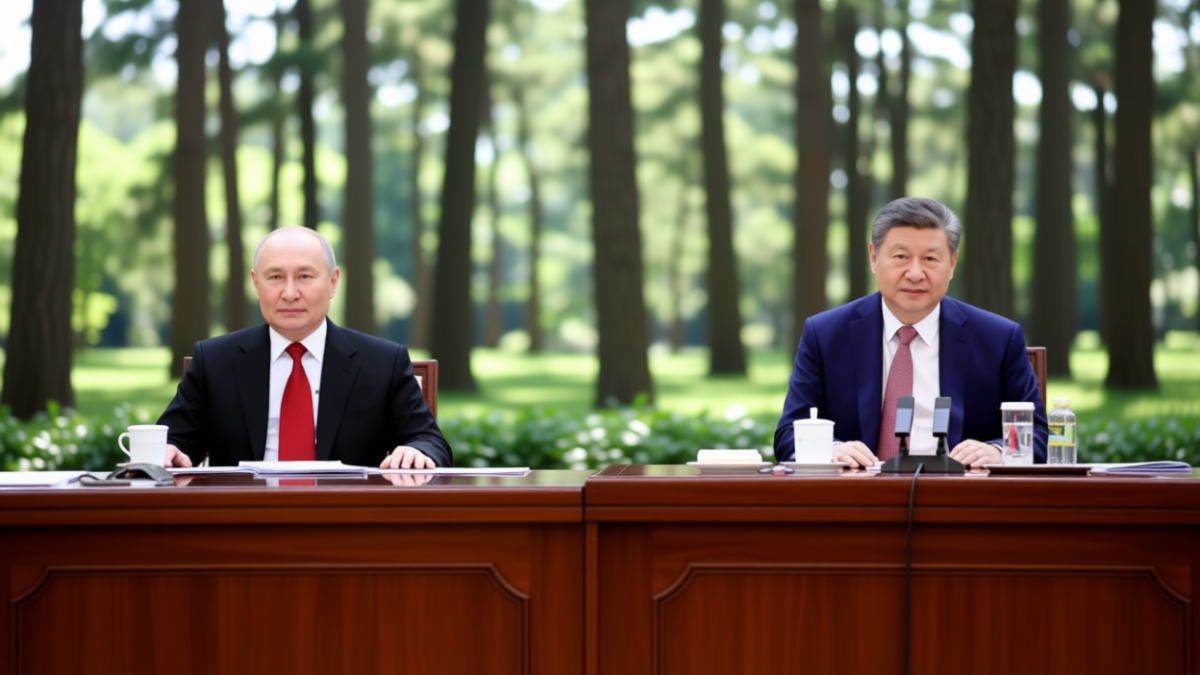
What Happened During the visit also included a series of high-profile meetings between Putin and Chinese officials. The Russian leader met with President Xi Jinping, who has consistently supported Russia’s energy initiatives. During these discussions, both sides reaffirmed their shared vision for a multipolar world, where energy security and technological advancement play central roles. The MoUs were seen as a tangible step toward achieving this vision, with China’s state media highlighting the importance of the agreements for future energy projects.
Broader Implications for Global Energy Markets
What Happened During the visit to China reflected the strategic priorities of both Russia and China in the global energy landscape. With China’s rapid economic growth and increasing reliance on energy imports, the partnership with Rosatom is expected to solidify its position as a major player in nuclear energy production. The agreements would also help Russia diversify its export markets, reducing dependence on Western buyers. Analysts noted that this collaboration could have long-term implications for international energy trade, particularly in regions where nuclear power is a critical component of the energy mix.
“The signing of these MoUs during Putin’s visit is a strategic move to enhance bilateral energy cooperation,” remarked a senior official from the Russian Ministry of Energy.
Additionally, the visit included discussions on the development of the Northern Sea Route, a key maritime corridor that Russia aims to expand. Chinese companies have shown increasing interest in this route for transporting energy resources, and the MoUs were expected to facilitate joint ventures in this area. The collaboration between Rosatom and Chinese partners also extends to the production of nuclear fuel and the construction of power plants, with both countries planning to share resources and knowledge.
What Happened During the visit also emphasized the role of state-owned enterprises in driving the economic and technological relationship between Russia and China. Rosatom’s involvement in the MoUs highlights its central role in Russia’s energy diplomacy, while Chinese state firms are poised to benefit from access to Russian technology and expertise. The agreements were expected to cover long-term projects, including the construction of nuclear power plants in China’s coastal regions. These developments could lead to a significant increase in nuclear energy output in the country, supporting its transition to cleaner energy sources.