
What Happened During KPK’s Investigation of Silmy Karim’s Corruption Case
Beritaturah.com – The recent investigation by Komisi Pemberantasan Korupsi (KPK) has sparked significant public interest, particularly regarding the allegations of financial misconduct involving Wakil Menteri (Wamen) Imigrasi dan Pemasyarakatan Silmy Karim. The case centers on the claim that Silmy continued to receive payments during his tenure as a minister, specifically linked to the alleged corruption in the issuance of permits for foreign nationals (WNA). According to Achmad Taufik Husein, the acting Director of Investigations at KPK, the evidence suggests that these financial transactions began prior to Silmy assuming his current position, highlighting a potential pattern of corruption that spans his career.
Details of the Corruption Allegations
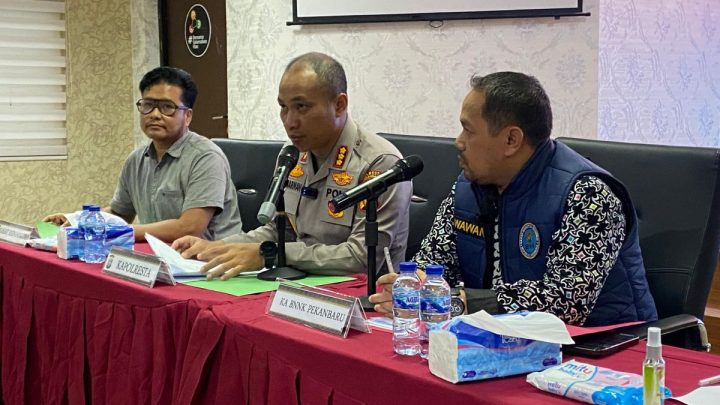
“What Happened During Silmy’s time in office revealed that he was aware of the funding arrangements even before taking up his role as Wamen,” stated Taufik during a press conference at KPK’s Red and White Building in Jakarta on Thursday. This insight underscores how the corruption scheme may have been premeditated, with Silmy playing a central role in facilitating payments through his position in the Ministry of Law and Human Rights (KemenkumHAM) and later as a minister.
The investigation into Silmy’s conduct has uncovered dugaan pemerasan (extortion) related to the processing of KITAP (Kartu Izin Tinggal Tetap) and KITAS (Kartu Izin Tinggal Terbatas) permits. These documents, crucial for foreign nationals seeking residency in Indonesia, appear to have been leveraged for financial gain. The timeline of events, as per KPK’s findings, indicates that the scheme persisted from 2022 to 2026, coinciding with Silmy’s leadership in the KemenkumHAM and his subsequent role in the Ministry of Immigration and Citizenship.
Operasi Tangkap Tangan (OTT) and Key Players
What Happened During the 11th OTT operation of 2026 further deepened the scrutiny on Silmy Karim and his associates. Conducted on June 2-3, 2026, this operation targeted officials within the KemenkumHAM and the Ministry of Immigration and Citizenship, with 17 individuals apprehended. Among them were eight government employees and nine private sector actors, including key figures like Ronald Arman Abdullah, the head of Jakarta Barat Immigration Office, and Jaya Saputra, the head of the West Java Immigration Office.
The operation also involved Saffar Muhammad Godam, who was temporarily appointed as the Director General of Immigration. These arrests marked a critical phase in the investigation, revealing a network of individuals who allegedly colluded to extract funds from WNA applicants. The use of KITAP and KITAS as tools for financial exploitation has been a focal point of the probe, with KPK emphasizing the systemic nature of the corruption scheme.
Legal Proceedings and Public Response
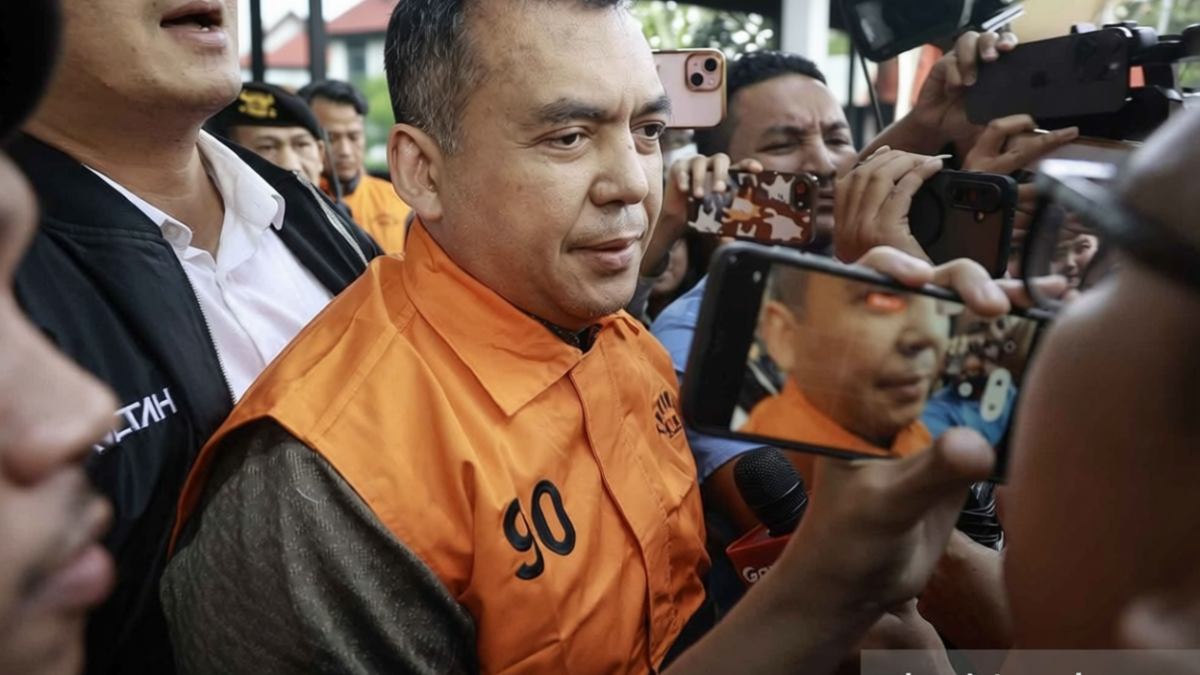
What Happened During the subsequent legal proceedings saw Silmy Karim surrendering himself to KPK on June 3, 2026. The following day, he, along with Saffar Muhammad Godam, Jaya Saputra, Ronald Arman Abdullah, and four others, were officially designated as suspects after being processed in orange KPK uniforms. This move has been interpreted as a sign of the agency’s resolve to hold high-ranking officials accountable for their roles in the alleged corruption.
The case has generated widespread public discourse, with citizens questioning the transparency of government operations and the effectiveness of anti-corruption measures. KPK’s focus on Silmy’s tenure as a minister highlights the importance of monitoring officials during their time in office. The agency has also emphasized the cumulative impact of the dana yang diduga terkumpul (suspected funds collected), which totaled Rp145.5 billion over the four-year period. This figure underscores the scale of the alleged financial misconduct and its potential consequences for the national economy and public trust.
Impact on Government and Anti-Corruption Efforts
What Happened During this corruption case has not only affected Silmy Karim personally but also raised concerns about the integrity of the immigration and citizenship sector. The KPK’s findings suggest that the scheme was embedded within the administrative processes of KemenkumHAM, which oversees immigration policies and procedures. This revelation has prompted calls for stricter oversight mechanisms to prevent similar incidents in the future.
Additionally, the case has demonstrated KPK’s ability to trace corruption activities across different governmental bodies, even when officials move between departments. By connecting Silmy’s alleged misconduct to both KemenkumHAM and the Ministry of Immigration, the investigation has highlighted the need for inter-departmental collaboration in combating graft. Public figures and civil society organizations have also weighed in, urging the government to take decisive action to restore confidence in public institutions.
As the investigation continues, the focus remains on uncovering more details about the financial transactions and the extent of Silmy Karim’s involvement. The case is expected to serve as a benchmark for future anti-corruption efforts, particularly in sectors that handle high-value administrative processes. What Happened During this period not only exposes the vulnerabilities in the system but also reinforces the role of KPK in maintaining transparency and accountability within the government.