
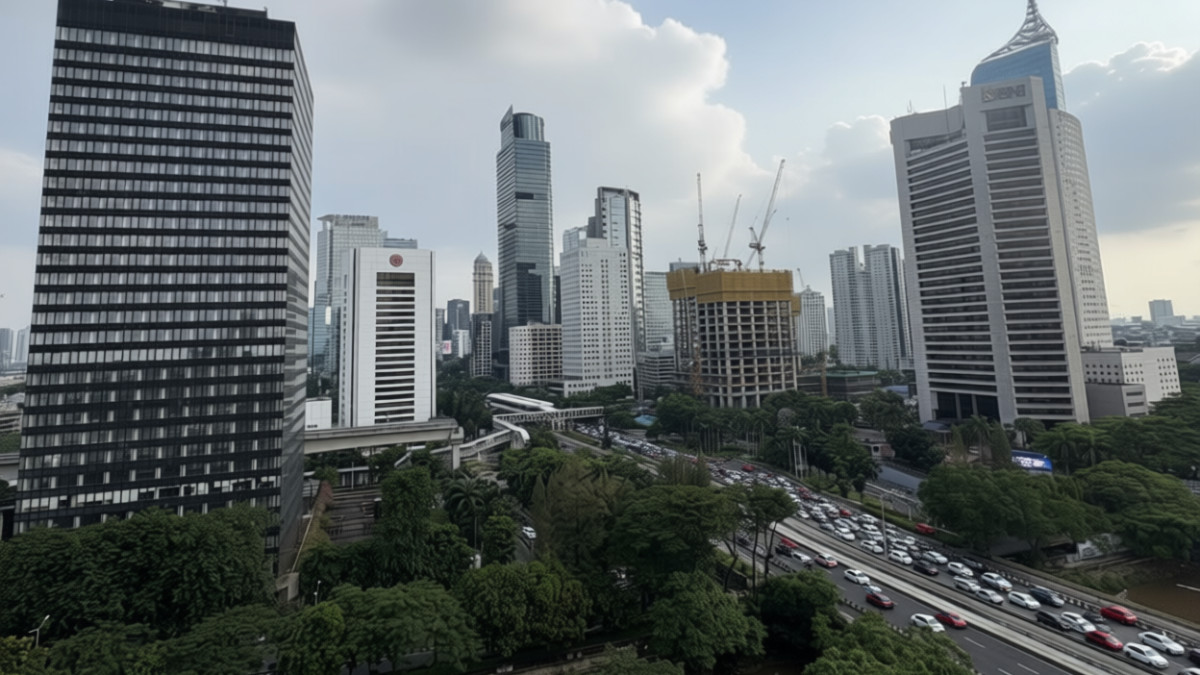
New Policy: Jakarta’s Air Quality Ranked 4th Worst in World, Residents Advised to Wear Masks
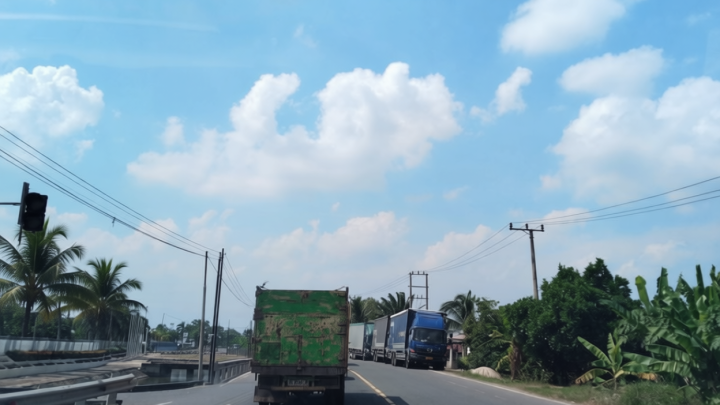
New Policy – The New Policy has been introduced to address the alarming state of Jakarta’s air quality, which has now been classified as the fourth most polluted city globally. According to data from IQAir, a global air quality monitoring platform, Jakarta recorded an Air Quality Index (AQI) of 134 on Tuesday (12/5), falling into the ‘unhealthy’ category. This ranking places the city behind Dhaka (Bangladesh) with an AQI of 191, Kinshasa (Kongo) at 167, and Delhi (India) at 162. Wuhan (China) follows closely with 132. The primary pollutant contributing to Jakarta’s poor air quality is PM2.5, which reached 49 micrograms per cubic meter. The New Policy emphasizes the need for immediate action to mitigate these levels, as they pose a significant risk to public health, particularly for vulnerable groups such as children, the elderly, and those with respiratory conditions.
Public Health Recommendations Under the New Policy
Under the New Policy, the Jakarta government has issued clear guidelines to safeguard residents from the harmful effects of high PM2.5 concentrations. Authorities urge citizens to limit outdoor activities when air quality deteriorates, especially during peak pollution hours. For those who must go out, wearing masks is now a mandatory precaution. The policy also encourages the closure of windows at home to reduce the intake of polluted air. These measures are part of a broader strategy to enhance air quality monitoring and public awareness. By integrating these practices into daily routines, the city aims to minimize health risks associated with prolonged exposure to toxic pollutants.
The Jakarta Environmental Agency has announced that the New Policy will include stricter emission controls for vehicles and industrial sectors. These measures are expected to reduce PM2.5 levels by up to 20% within the next six months.
Global Context of Jakarta’s Air Quality
When compared to other major cities, Jakarta’s air quality stands out as a critical issue requiring urgent attention. The AQI of 134 indicates that the air is hazardous for prolonged exposure, with PM2.5 particles being the main concern. These fine particles, often originating from vehicle exhaust, construction dust, and industrial emissions, can penetrate deep into the lungs and bloodstream, causing respiratory and cardiovascular diseases. The New Policy targets these sources by introducing targeted regulations and promoting green transportation initiatives. Experts warn that if left unchecked, Jakarta’s pollution levels could worsen, leading to long-term health consequences for its population.
The New Policy also highlights the importance of regional cooperation, as pollution in Jakarta is not solely a local problem. Neighboring provinces and cities are being urged to adopt similar measures to reduce cross-border air contamination. This collaborative approach aligns with the city’s goal of achieving cleaner air by 2025. The policy further includes public education campaigns to inform residents about the health risks of poor air quality and how they can contribute to improvement. By combining government action with community participation, Jakarta hopes to create a sustainable solution to its environmental challenges.
According to the Jakarta Environmental Minister, the New Policy is a response to the city’s growing population and increasing industrial activity. “We must act now to prevent irreversible damage to public health and the environment,” he stated.
Long-Term Strategies for Sustainable Improvement
While the New Policy focuses on immediate relief, it also outlines long-term strategies to ensure lasting improvements in air quality. These include the implementation of a city-wide emission reduction program, the expansion of green spaces, and the promotion of renewable energy sources. The policy mandates regular updates on air quality data and requires industries to adopt cleaner technologies. Additionally, a new urban planning initiative is being developed to reduce traffic congestion, a major contributor to air pollution. These steps are part of Jakarta’s commitment to becoming a model for sustainable urban development in Southeast Asia.
Residents are being encouraged to report pollution incidents through a dedicated mobile application, which will streamline data collection and enforcement. The New Policy also introduces penalties for businesses that exceed emission limits, ensuring compliance with environmental standards. As the city moves forward, the focus remains on balancing economic growth with environmental protection. The success of the New Policy will depend on consistent implementation and public adherence to the recommended practices. With these measures in place, Jakarta aims to reduce its global ranking in air pollution and improve the quality of life for its citizens.